Indian war-cry
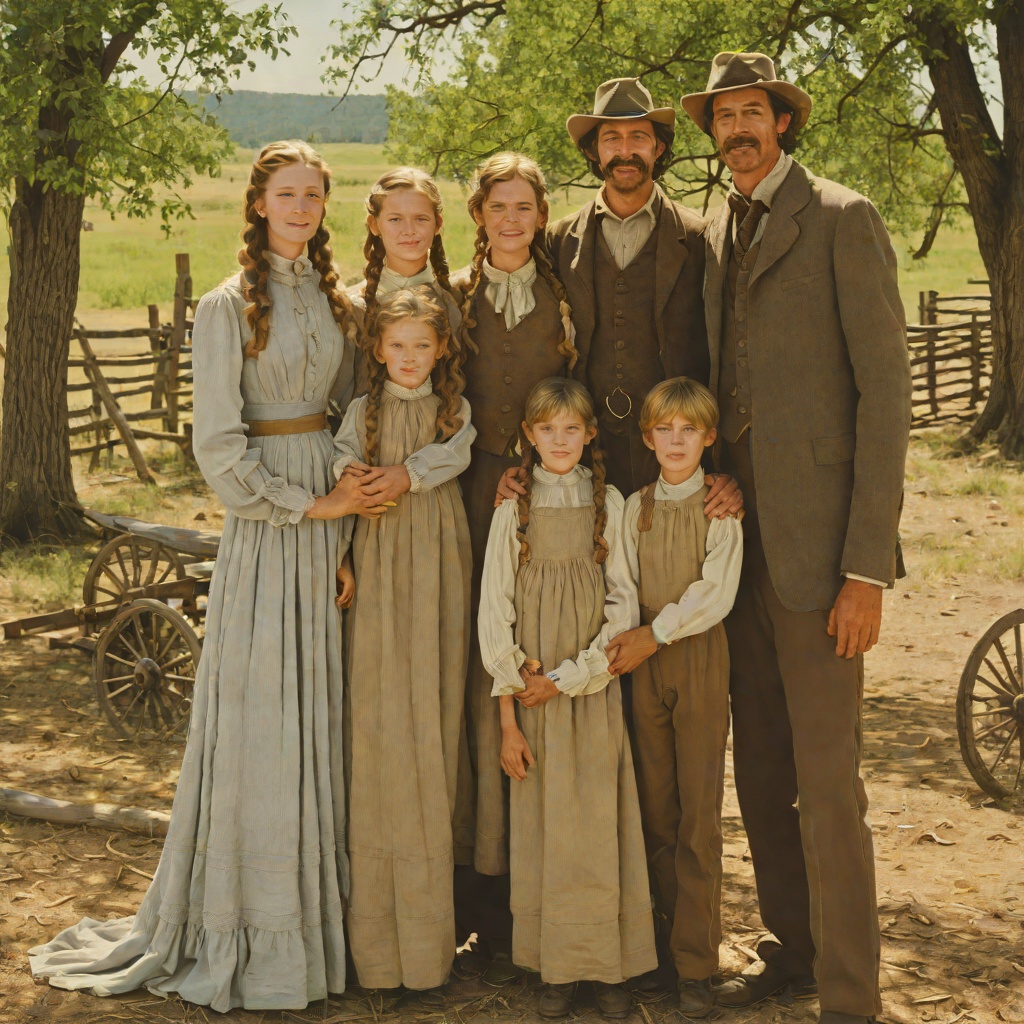
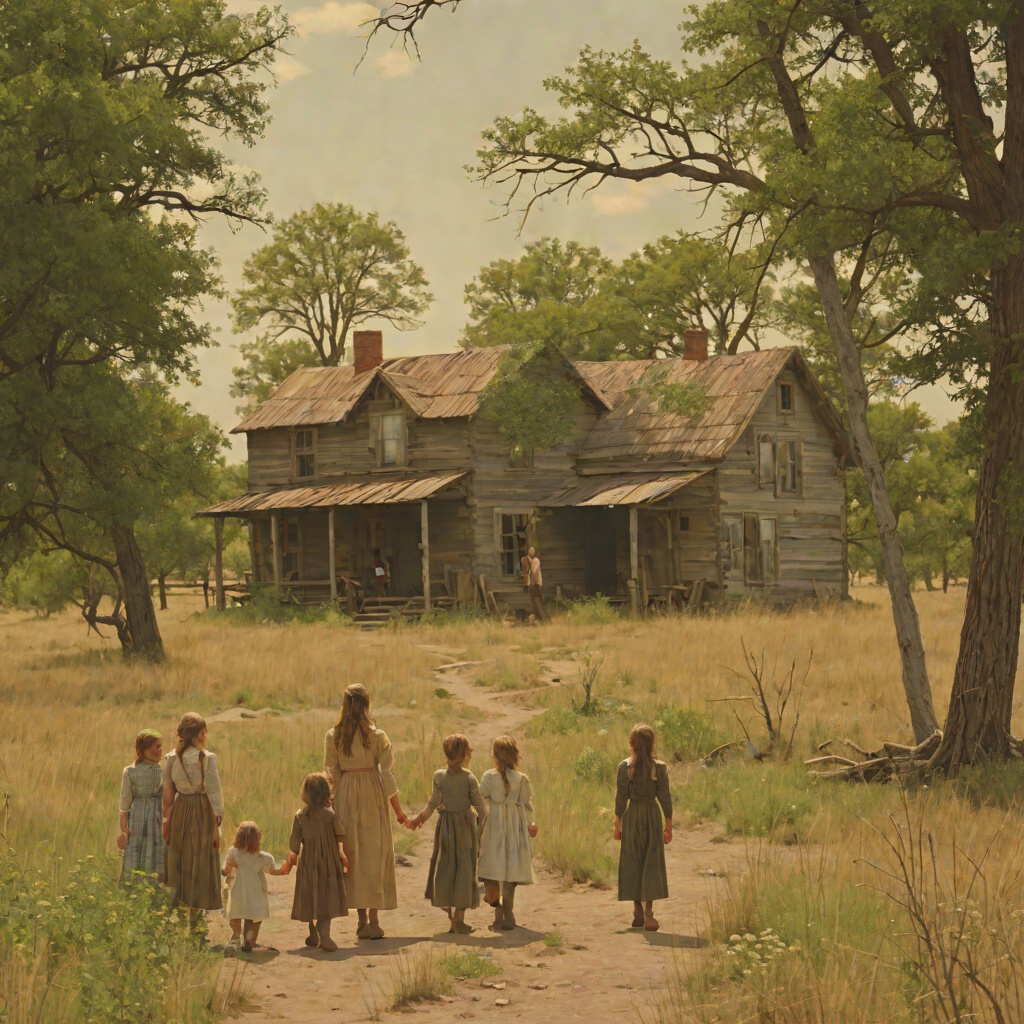
Little House on the PrairieThe Indian war-cry is the terrifying sound of Osage and other tribal war dances that erupts across the High Prairie at night, plunging the Ingalls family into a state of siege and fear. More than a mere noise, it is the audible climax of the novel's central conflict between white settlers and Native Americans, a crisis that ultimately reveals the diplomatic heroism of the Osage chief Great Soldier and reshapes the family's understanding of their Indian neighbors.
The Sound of Siege
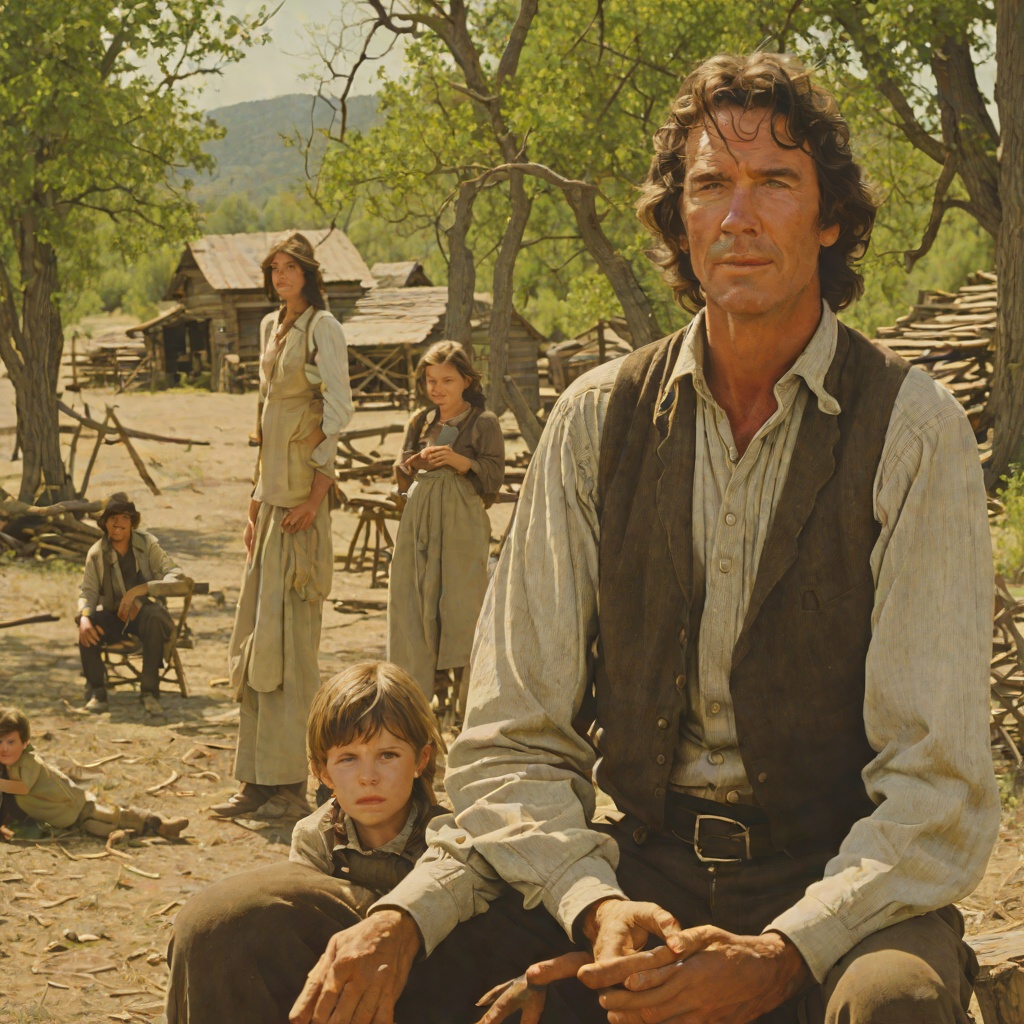
The war-cry first shatters the peace of the little house in the dead of night. Laura, who has been sleeping, sits straight up in bed and screams, woken by a terrible sound that seems to come from everywhere at once. The house is dark, but Ma is still wearing her dress, a sign that she has not gone to bed at all, and Pa stands by the window with his gun, looking out into the darkness. When Laura asks what the sound is, Pa answers with a single, chilling word: "It's the Indian war-cry, Laura." Ma makes a soft sound of distress, but Pa insists, "They need to know, Caroline," refusing to shield the children from the truth of their danger. He explains that the Indians are dancing around their fires and talking about war, but he tries to reassure his daughters, saying, "But I'm here and Jack's here, and there are soldiers at Fort Dodge. So don't be afraid, Mary and Laura." Laura dutifully says, "No, Pa," but she is terribly afraid; the drums seem to beat inside her head, and she finds the wild howls worse than the wolves that had surrounded the house earlier in the story.
The Unrelenting Nights
The crisis does not pass with a single night. Night after night, the Indians shout and dance and beat their drums, and all up and down the creek, war-cries answer war-cries, filling the entire prairie with their sound. There is no rest for the family. The next day, they cannot go out of the house at all; there is not one sound from the Indian camps, and the whole wide prairie is still, a silence that is more ominous than the noise. But that night, the noise in the camps is worse than the night before. The war-cries are terrible, and the family huddles together: Pa watches at the window with his gun, Laura and Mary stay close to Ma, and poor little Carrie cries. Jack, the family dog, growls all night long and howls when the war-cries come. The silent days are worse than the nights. The animals stay in the stable, Mary and Laura cannot go out of the house, and Pa watches and listens all the time. He doesn't eat much, and one day his head falls onto the table and he sleeps a little, he is so tired, but in a minute he wakes up with a jump and says crossly to Ma, "Don't let me do that again!" That night is the worst night of all; the drums beat faster and the war cries make their blood run cold. At the window, Pa observes, "Caroline, they're quarrelling among themselves. Maybe they'll fight each other," and Ma replies, "Oh, Charles, I hope so!" All night long there is not a minute's rest, and just before the sun comes up, the last war-cry ends and Laura falls asleep in Ma's arms.
The Aftermath and the Revelation
Laura wakes up in bed with the door open and the sun high in the sky; it is already noon. Ma is cooking dinner and Pa is sitting outside on the step. He tells Ma that there is another big group going off to the south, and Laura goes to the door and sees a long line of Indians far away. Pa explains that two long lines of Indians had gone west that morning, and now this one is going south, which means that the Indians had argued among themselves and were not going to hunt buffalo together. "Tonight we'll sleep!" Pa says, and they do, not even dreaming. In the morning, Pa takes his gun and goes down the creek road, leaving Laura, Mary, and Ma to wait the whole long day. When he comes back in the late afternoon, he says everything is all right. He had gone up and down the creek and seen many empty Indian camps; all the Indian tribes had left, except the Osages. He had met an Osage in the forest who could speak English, and this man told him the whole story. The tall Indian who had ridden so far and so fast that night, the one who had come to the house once and talked French to Pa, was an Osage chief named Great Soldier. He had ridden through the night because he did not want the other tribes to kill the white people. "He went on arguing with them day and night," Pa says, "until the other Osages agreed with him. Then he told the other tribes that the Osages were ready to fight them to save the white settlers." That was why there had been so much noise in the camps; the Indian tribes were howling at each other. In the end, the other tribes did not want to fight Great Soldier and the Osages, so they went away. Pa's verdict is simple and profound: "That's one good Indian!"
The Departure and a Child's Wish
Soon after, the Osages themselves leave. Great Soldier himself rides by the house, and Pa lifts his hand to say hello, but the horse and the Indian chief go by without looking at Pa or Ma or Mary or Laura or the house. Other horses and Indians with eagle feathers in their hair follow, brown face after brown face going by, with bright beads shining in the sun and horses' tails and eagle feathers blowing in the wind. The women and children come riding behind the Indian men, and little naked brown Indians, no bigger than Mary and Laura, go riding by, their straight black hair blowing in the wind and their black eyes shining with happiness. Laura looks and looks at the Indian children, and they look at her, and she has a sudden wish to be a little Indian girl, to ride naked in the wind and the sun. Then Indian mothers come riding by with babies in baskets at the sides of their horses, and Laura looks straight into the bright eyes of one little baby, whose eyes are black as a night when no stars shine. The war-cry crisis, which had seemed to be the family's greatest threat, ends not with violence but with a silent procession of departure, and Laura's fear transforms into a moment of longing and wonder at the very people she had been taught to dread.
The War-Cry as Narrative Turning Point
The Indian war-cry functions as the novel's central crisis, a state of siege that tests the Ingalls family's courage and unity. It is the culmination of a series of threats—the flooded creek, the wolves, the malaria, the prairie fire—that have marked their first year on the prairie. Unlike those earlier dangers, however, the war-cry is a human threat, and it forces the family to confront the reality of their position as settlers in Indian Territory. The crisis also serves to humanize the Indians in a way that the earlier, silent visits could not. The fear is real, but the resolution reveals that the greatest protector of the white settlers is not Pa or the soldiers at Fort Dodge, but an Osage chief whose name, Great Soldier, is earned through diplomacy rather than combat. The war-cry, which had seemed to be a sound of pure menace, is revealed to have been the sound of Great Soldier's argument, the noise of one man saving the lives of the very people who feared him. This revelation complicates the simple frontier dichotomy of the novel, and Laura's final wish to be a little Indian girl stands as a quiet challenge to the fear that had dominated the preceding nights.